Why Japanese studios often skip Xbox
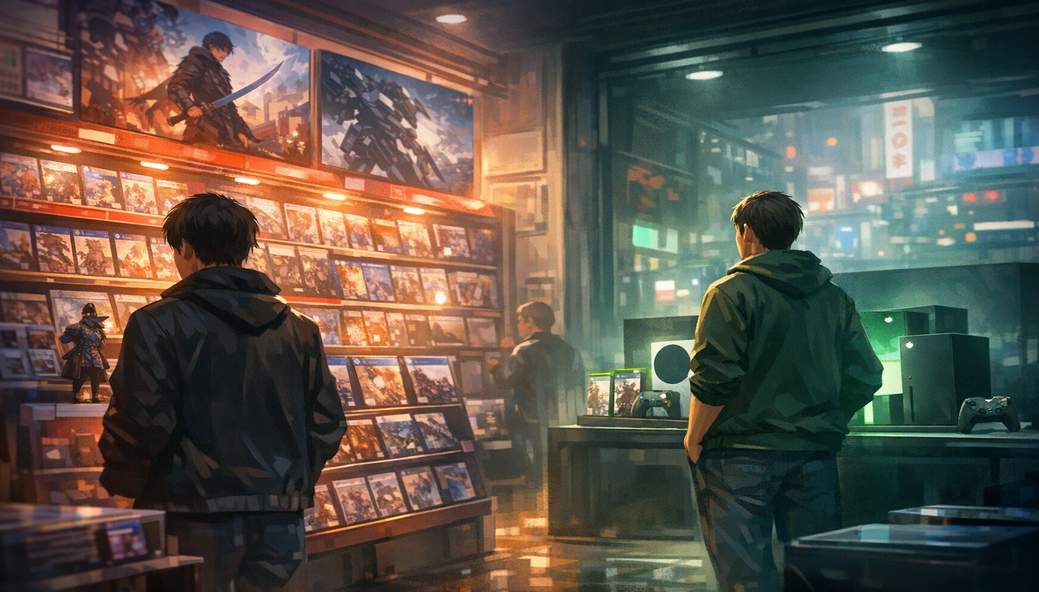
Short version: it’s not hate, it’s math. A dev who worked on Sakuna and Edelweiss explained on X that smaller Japanese teams simply can’t throw time and cash at a platform that barely exists on local store shelves. If retailers don’t stock it, sales projections crater and ports become a luxury most studios can’t afford.
This isn’t unique to Sakuna. Mid-sized and indie Japanese games frequently skip Xbox Series/Xbox One, and even some big-name releases only arrive on Xbox later — usually when a Game Pass deal makes the numbers add up. Fans ask for Xbox versions all the time, but developers are juggling budgets, QA, and localization; adding another platform isn’t always feasible.
What players should care about (and why this might change)
Why does this matter to you? Platform availability affects what you can actually buy and how fast you play it. If a JRPG or indie darling never arrives on Xbox, owners miss out on the story, the mechanics, and whatever multiplayer buzz that follows.
Hard data backs the dev’s point: Famitsu’s numbers show Xbox Series sits at roughly 689,000 units sold in Japan, while PS5 has cleared seven million, the Switch 2 is closing in on four million, and the original Switch sits at about 36 million. Xbox sales reportedly plunged around 75% in 2025 versus the prior year — not exactly a market screaming “invest here.”
All that said, there’s a sliver of hope. Xbox releases sometimes line up with Game Pass launches, which can make ports worth it for publishers. Microsoft is also working on Project Helix — an upcoming console/PC hybrid — and its promised compatibility could make it easier for Japanese devs to reach Xbox platforms. We’ll learn more soon, and until then it’s fair to call that a developing situation rather than a solved one.
Takeaway: if you want every Japanese game on Xbox, the barrier is less about fandom and more about retail presence, development budgets, and business sense. Game Pass deals and new hardware might shift the math, but for now many Japanese studios are choosing the safer, more profitable paths.