What actually went down (and the rumor mill)
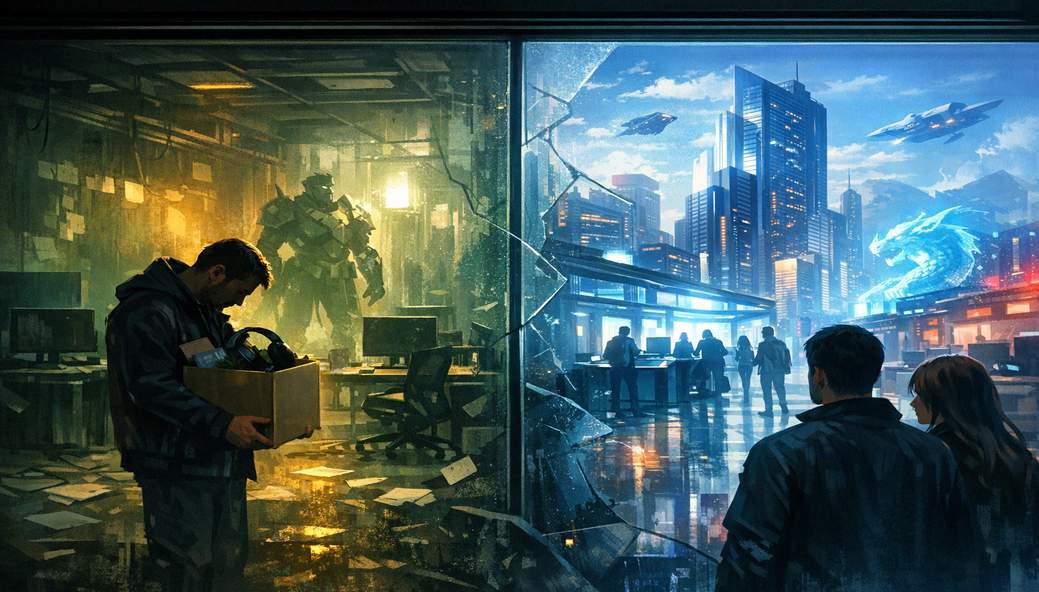
Microsoft’s Xbox arm dropped a brutal announcement: widespread layoffs and the offloading of several studios — yes, that includes long-running teams like id Software. Naturally, the internet freaked out and started stitching together theories, the loudest being that U.S. staff were being booted in favor of cheaper foreign hires.
Microsoft’s communications chief, Frank X. Shaw, stepped in to push back. He calls the “replacement” narrative misinformation and says the cuts were part of a broader Xbox restructuring, not a targeted move to swap Americans for H‑1B workers. Shaw also notes that H‑1B hiring figures being talked about are company‑wide and not specific to Xbox.
To be clear: those claims about a deliberate program to replace U.S. talent with foreign contractors are unconfirmed rumors. Shaw added that many affected employees were not U.S. citizens, and the debate over H‑1B visas in the U.S. is fueling some of the heat here — which makes the whole thing even messier.
Why this matters for players
Layoffs at big studios aren’t just sad headlines for devs — they can ripple straight into the games you play. Shifts like these can slow down releases, pause updates for live services, and sap institutional know‑how that keeps long‑running franchises healthy. When veteran teams are disrupted, bugs stay longer, feature roadmaps get shuffled, and smaller studios can lose out on partnerships or funding.
For fans of affected studios, that means watching timelines closely: some projects may be delayed, others could be restructured or sold off, and community support for live titles might wobble while teams regroup. Xbox insists it remains the single largest U.S. games employer and points to leadership with American roots to counter the narrative that this is an anti‑local move — but perception matters, and the community will keep an eye on hiring and rehiring patterns.
The takeaway? Treat the replacement claims as contested for now, but don’t ignore the real consequences: studio upheaval often equals slower updates and shakier project roadmaps. Keep tabs on official statements, look for confirmations about specific projects, and expect more clarity (or more drama) as the situation unfolds.