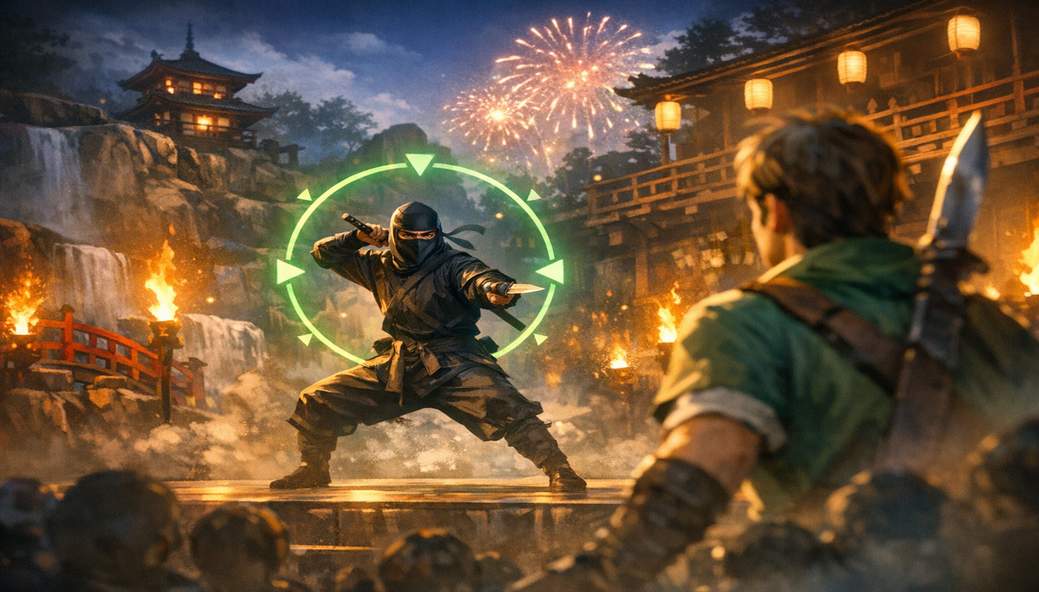
The weird little spark that became Z-targeting
Believe it or not, one of gaming’s most copied combat tricks started with a hot day, a samurai show and a bit of “how did they do that?” curiosity. While Nintendo was still wrestling with 3D camera and control problems during Super Mario 64, a handful of designers later working on Ocarina of Time took a field trip to Toei Kyoto Studio Park and watched a staged swordfight. That performance — where enemies attacked one at a time while the hero handled them one-by-one — planted the seed for a lock-on system that would make melee in three dimensions feel sensible.
Developers like Yoshiaki Koizumi and Toru Osawa talked about this in the old Iwata Asks interviews: they weren’t searching for glory, just a practical fix for characters endlessly circling signs or awkwardly missing foes. The theme-park choreography gave them a simple trick to try in code: pick a target, keep the camera steady, and let everything else fall into line.
Why Z-targeting changed combat — and why it still matters
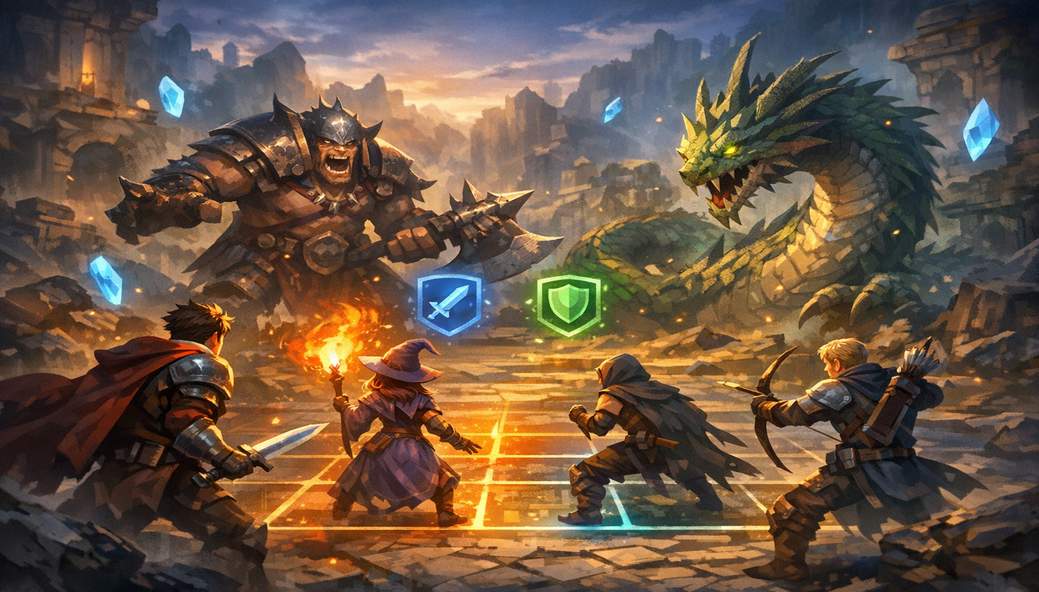
Z-targeting did two huge things: it gave players predictable control in chaotic fights, and it solved camera problems that ruined early 3D swordplay. Locking onto a single enemy meant the camera and controls stopped fighting you, and developers could design encounters where foes took turns instead of piling on all at once. That’s how Ocarina could stage memorable twin-Stalfos battles and fight rooms that felt fair instead of frustrating.
The ripple effect has never stopped. Studios borrowed and refined the idea for countless action-adventure and RPG games — the modern third-person lock-on owes a big tip of the hat to this little Nintendo invention. For players, the win is obvious: tighter melee, clearer aim, and combat that feels cinematic without being chaotic.
On the news front, a Switch 2 remake of Ocarina of Time is planned for release later this year, though Nintendo hasn’t given a date or shown gameplay yet. Take that as official-but-sparse: fans are excited and cautious, since nostalgia runs high and expectations are even higher.
Bottom line: Z-targeting is a perfect example of a simple solution becoming a genre-defining tool. It solved a real gameplay headache, came from some keen observation (and a ninja), and left a footprint that game designers still follow today. In other words: watch more stage fights, you might accidentally invent something genius.