Welcome back… but to what exactly?
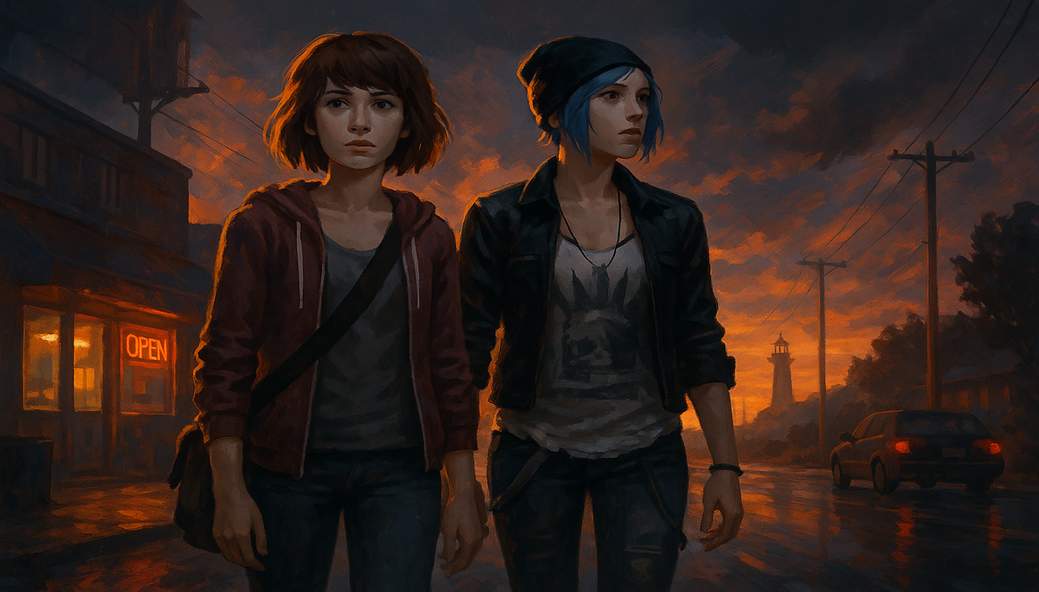
Life Is Strange: Reunion is the next chapter trying to stitch Max Caulfield and Chloe back together after years apart. If you’re into warm fuzzies, nostalgia, or those throat-tightening reunions, the idea sells itself. Trouble is, this reunion looks like it might paper over the messy, uncomfortable lesson that made the first game stick: sometimes going back breaks more than it heals.
The original Life Is Strange felt risky. It gave you a rewind power that didn’t just solve problems — it created them, and forced you to pick between painful, imperfect outcomes. That moral bite and weird magic-wonder combo is what made players care. Recent entries have drifted toward safer emotional territory: prettier towns, calmer beats, and characters who feel like they’ve already learned all the hard lessons.
Why this sequel matters (and why fans are wary)
From a gameplay angle, the series’ signature time tricks are its hook. Reunion could be a playground for inventive mechanics — think layered timelines or meaningful puzzles — but all signs so far point to something more conservative. Double Exposure brought Max back as an adult and introduced timeline-jumping, yet the puzzles and consequences felt flattened compared to the original’s gut punches. If Reunion follows that thread, players might get flashier tech and smoother faces, but less of the narrative teeth that made decisions feel heavy.
Behind the scenes this matters because the studio and publisher have changed. Deck Nine — the team behind the prequel and modern entries — is steering the ship now, and Square Enix still pulls the purse strings. There are reports (presented as reported, not confirmed) that commercial caution has nudged the series toward broad appeal rather than bold storytelling, and that some choices around characters and marketing were influenced by business concerns. Whether you buy that or not, the result on-screen is what players will judge.
Community reaction is predictable: a chunk of fans will be thrilled to see Max and Chloe together again, and that excitement isn’t silly — those characters are iconic. Others worry the reunion is fan-service dressed up as a new narrative, a nostalgia cash-in rather than a necessary story. That split is already shaping pre-release conversations and likely reviews once Reunion lands.
There’s also representation to consider. The franchise has a large queer fanbase who feel invested in how relationships are handled. Some coverage has suggested the publisher preferred not to have the series pigeonholed, which critics read as hesitance around explicit queer labeling. That’s presented as reporting rather than proven motive, but it’s part of why some fans are skeptical about whether Reunion respects its audience or trims edges to avoid controversy.
At the end of the day, Reunion matters because it will signal what Life Is Strange stands for going forward: bold, risky storytelling or polished, safe comfort. That’s not just philosophical — it affects whether future entries will take chances, lean into unique mechanics, or simply recycle familiar beats for sales.
If you’re a player who loved the messy moral choices, keep your expectations tempered. If you want more Max-and-Chloe content for the heart-melty highs, there’s probably something here for you. Either way, the franchise’s appetite for risk (or lack of it) is the real story.