What went down
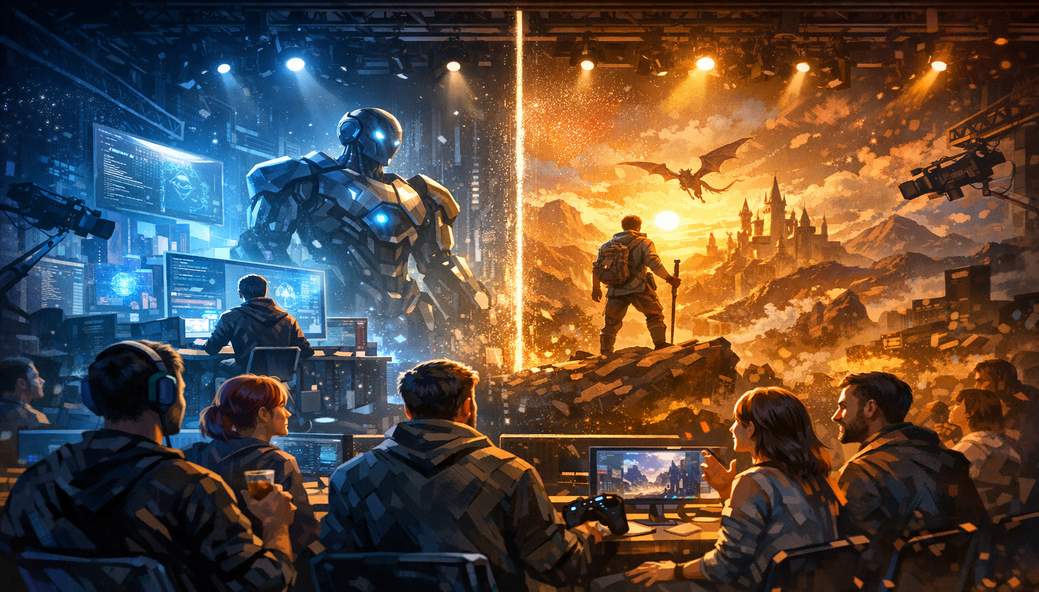
Epic announced the 2026 Epic AI MegaJam, a mid-November game jam offering a $50,000 prize pool for projects made with Unreal Engine or the Unreal Editor for Fortnite. The event was billed as AI-forward, suggesting creators could partner with companies like Anthropic, Google, Meshy, OpenAI, SpaceX and others to experiment with generative tools.
The twist: the original rules read like AI was a must. That sparked a storm on social media, and Epic quickly updated its FAQ and rules to clarify that using generative AI is optional — you can lean on it as much or as little as you want. So no, you won’t be disqualified for hand-coding your pixel art with coffee and stubbornness.
Why gamers and devs should care
At first glance this might be admin stuff, but it hits a few nerves. For creators, AI can supercharge rapid prototyping, let small teams punch above their weight, and help achieve flashy art styles without a huge art department. For players, that might mean more varied, experimental jams with wild concepts popping up faster.
On the flip side, folks worry about job impacts, asset ownership, and whether a machine-made “game” carries the same cachet in portfolios or storefronts. There are already headaches on platforms like Steam around AI content, and a high-profile jam pushing AI could accelerate those debates.
Most importantly: Epic’s reversal shows the push-and-pull between marketing AI as a creative boon and the community’s very real concerns. The company tried to sell the jam as an AI celebration, but the chorus of negative reactions forced a quick course correction.
So if you’re thinking of entering: expect an official theme revealed shortly before the event, decide whether AI tools help your workflow, and be prepared to explain your process if you want to avoid online drama.