What happened?
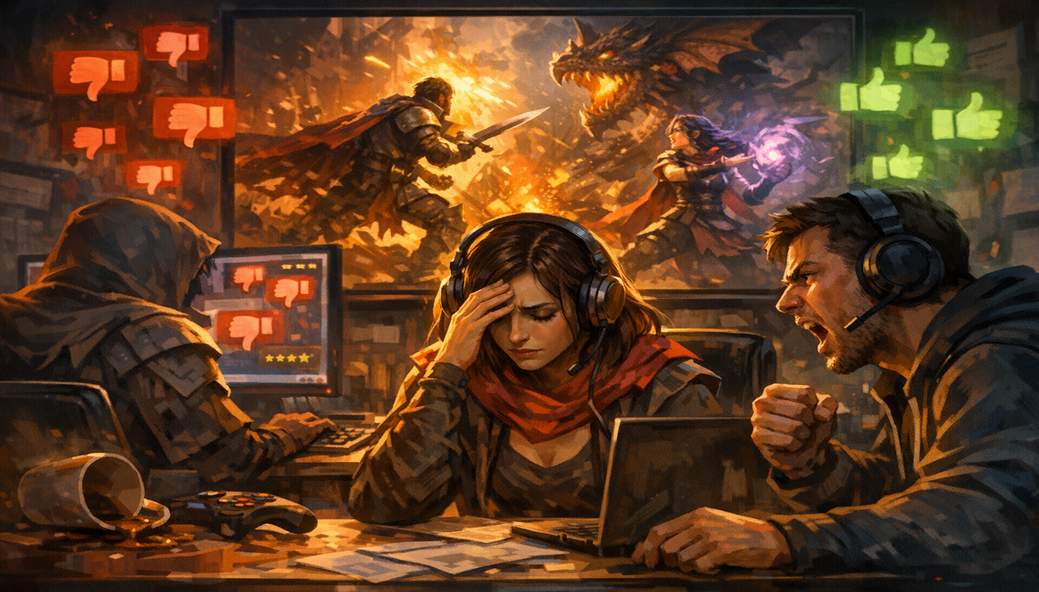
Slay the Spire 2 has been hit with a fresh wave of negative Steam reviews — but this time it’s not about cards, bosses, or early access bugs. Players started downgrading or rewriting their reviews after spotting Anita Sarkeesian’s name in the game credits listed as a consultant. That discovery sparked dedicated threads on the game’s Steam forum and a chunk of reviews explicitly citing her presence as the reason for the downgrade.
This flare-up comes on top of an earlier backlash: a beta branch of the game introduced balance changes that nerfed some dominant strategies and tweaked bosses, which led to a separate surge of anger and more than 21,000 negative reviews since mid‑April. Many of those earlier reviews reportedly came from Chinese players using Steam as a feedback channel because other platforms are harder to access.
To be clear: the current review-bomb isn’t tied to any obvious change players can point to in gameplay. Folks who had played for hours or previously left positive scores have edited reviews after noticing the credits, and some are demanding the developer remove her name — even though it’s unclear exactly what she consulted on.
Why it matters (and what players should know)
Anita Sarkeesian is the founder of Feminist Frequency and rose to public attention with the Tropes vs. Women in Video Games series. She became a lightning rod for online harassment during the Gamergate era, which is why her name alone can trigger strong reactions in parts of the community. That context helps explain why a credit line can become a controversy separate from the game itself.
For gamers, this is important for two reasons. First, review-bombing driven by politics or identities can distort Steam’s score system, making it harder to judge a game’s actual quality or the impact of legitimate design changes. Second, developers face a double hit: the product’s reception now reflects both design choices (like the beta balance changes) and who the team consulted, which can affect sales, discoverability, and morale.
If you’re trying to figure out whether to buy or play Slay the Spire 2: look at recent patch notes and detailed player feedback that talks about mechanics, not just one-line reactions. Keep in mind that forum threads and review trends can be driven by factors outside of gameplay. And remember — public outrage over credits is unconfirmed evidence of design influence; the specific consulting work attributed to any credited person isn’t always spelled out.
Bottom line: the game’s launch was huge — it hit Steam on March 5 and reportedly sold millions of copies in its opening weeks — but the conversation around it is chaotic. That chaos mixes balance-related complaints with culture-war flare-ups, so if you care about gameplay, focus on changelogs and in-depth reviews rather than the headline noise.