AI is about to make the storefront a very crowded place
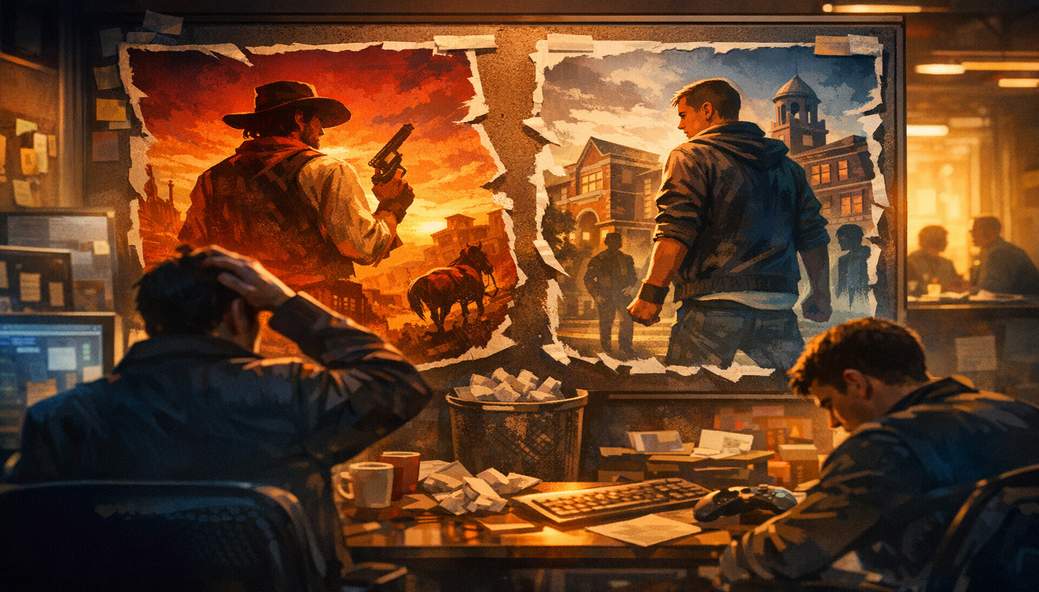
Masahiro Sakurai — the brain behind Kirby and Smash — is sounding the alarm: as generative AI gets better, expect an explosion of new games. He pointed out how releases on Steam ballooned from a few hundred in 2010 to tens of thousands by 2026, and said that number will only climb once AI tools are rolling.
We already got a taste of this when Steam Next Fest was hit by a wave of quickly-made AI titles. Many of those felt like variations on the same concept — tidy up the library, rearrange supermarket shelves, sort screws, find a needle in a haystack — basically the same mini-game dressed in different art. Sakurai thinks most of those will be commercial duds: too many clones, too little staying power.
Human-led originality will become the rare drop
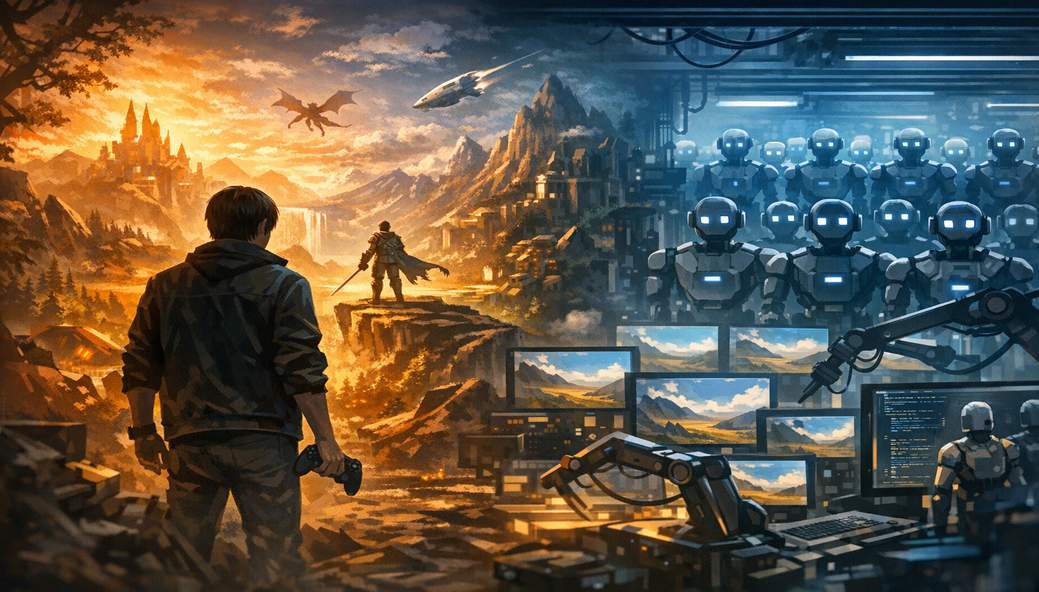
Sakurai’s main point: AI can remix and imitate what exists, but it can’t conjure the singular vision that a creative human developer brings. He used the example of auteurs like Fumito Ueda — while an algorithm might mimic the mood of games like Ico, it won’t be the same as whatever surprising, personal direction a creator like Ueda chooses next.
That’s what makes certain games shine. Pioneering designers who take risks and carve out a distinct style will be the ones gamers remember — and the ones that won’t be easily replaced by an assembly line of AI-generated clones.
Why gamers should care (and what to do about it)
For players, this matters for two big reasons: discoverability and quality. If thousands of shallow, AI-assembled titles crowd storefronts, finding genuinely original experiences gets harder. That makes curation — festivals, awards, trusted curators and demos — more valuable than ever.
On the bright side, originality stands to become a premium. Want a better chance of playing something memorable? Support creators who show a clear voice, try demos, and follow game designers and smaller festivals. Treat the flood of bland clones like junk food: amusing for five minutes, but you’ll want a chef-made indie for a meal that matters.
Short version: expect a ton more games, don’t expect most of them to be great, and appreciate the humans who still take creative risks — they’ll be the ones shaping the next must-play titles.