What’s packed inside this heavyweight PlayStation chronicle
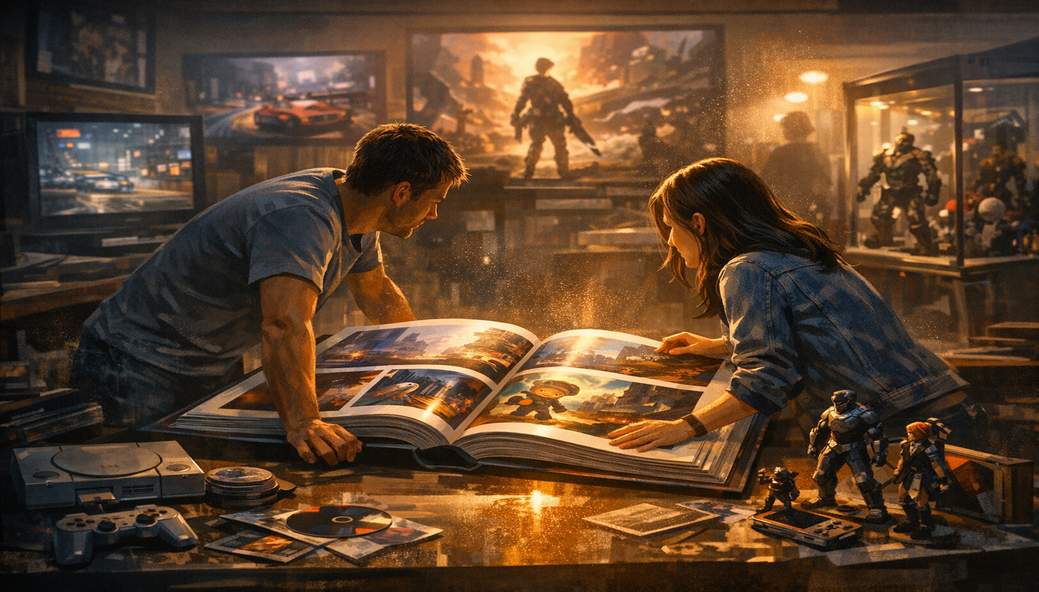
Think of this as a PlayStation museum you can drop on your coffee table. The book—produced with the British publisher Read-Only Memory—stretches across 400 pages and aims to map the console brand’s three-decade evolution with never-before-seen photos, concept sketches and prototype shots. It traces design experiments from the very first PlayStation right up to the PS5, and includes voices from people who actually made the hardware, like Ken Kutaragi, Teiyu Goto and Yujin Morisawa.
There are some delightfully nerdy pages in there: early DualShock mock-ups, PlayStation 2 prototypes and even that infamous boomerang-shaped controller Sony showed around the PS3 era. If you’ve ever wanted a peek at the paperwork, doodles and awkward early ideas that led to the consoles you love, this book promises exactly that.
Physically it’s unapologetically massive: roughly 37.5 x 29.5 cm and tip-the-scales heavy at about five kilos. It’s the kind of object that will either impress your gaming pals or require a separate shelf just to live on.
Release details, editions, and why it matters to gamers
The standard edition goes for €115 (pre-orders in Spain showed an additional shipping fee of €18.95), and it ships in November after a delay from an earlier spring target so the creators could finish production properly. There was also a Deluxe run—limited to 1,994 copies and priced at €290—that included a special presentation box and a signed photograph by Teiyu Goto and Benedict Redgrove; that version has already sold out, which tells you there’s still serious appetite for physical PlayStation memorabilia.
Read-Only Memory is handling distribution and offers international shipping from its site, though it’s not yet clear whether bricks-and-mortar Spanish bookstores will stock it. If you collect gaming artbooks and design histories, this one is squarely aimed at you; if you’re a casual player, it’s an expensive but fascinating snapshot of hardware design culture.
Why gamers should care: beyond being a flashy collector’s object, the book opens up the creative and technical decisions behind PlayStation hardware. That context matters for anyone interested in game design, hardware modding, or the evolution of player experiences—small choices in controllers and tech ripple into how games feel and get made.
And of course, the community reaction is part nostalgia, part flex. The Deluxe edition selling out and the buzz around unreleased concept art show that retro and behind-the-scenes content still hits hard with fans. Whether you snag a copy or just drool over images online, it’s a reminder that PlayStation’s story is full of weird ideas, lucky breaks, and design lessons worth keeping.