The messy era that nearly killed Crash
Crash started life at Naughty Dog and went on to be a mascot-level success, but the road after those first hits got weird. The IP bounced around publishers — Universal, Vivendi, Activision — and one chapter in particular reads like a workplace horror-comedy. According to Jason Rubin, the co-founder of Naughty Dog, partnering with Universal was a constant headache: money and a license showed up, but the creative spark had to come from the devs themselves.
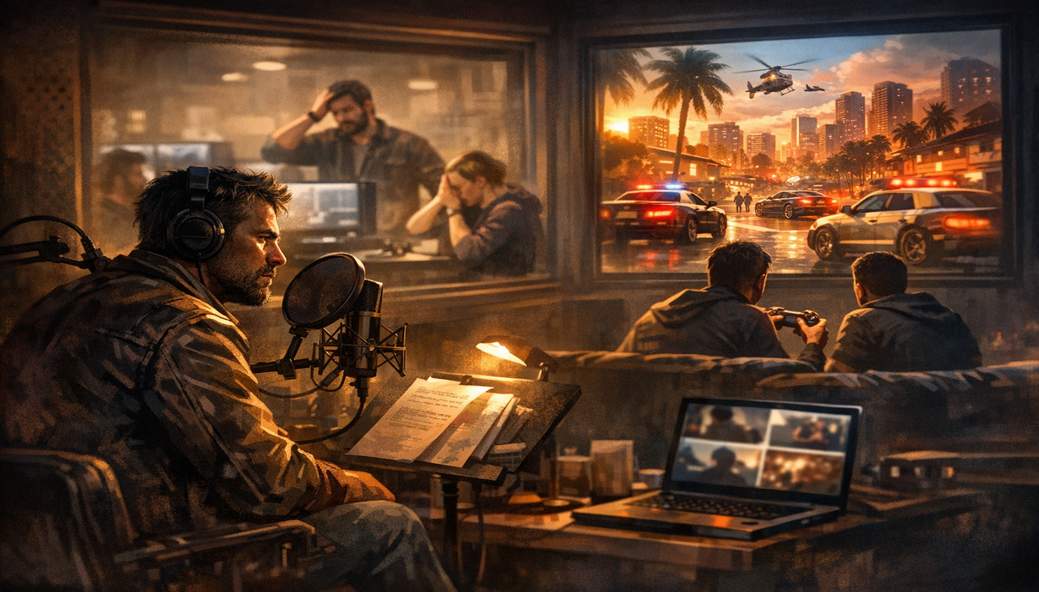
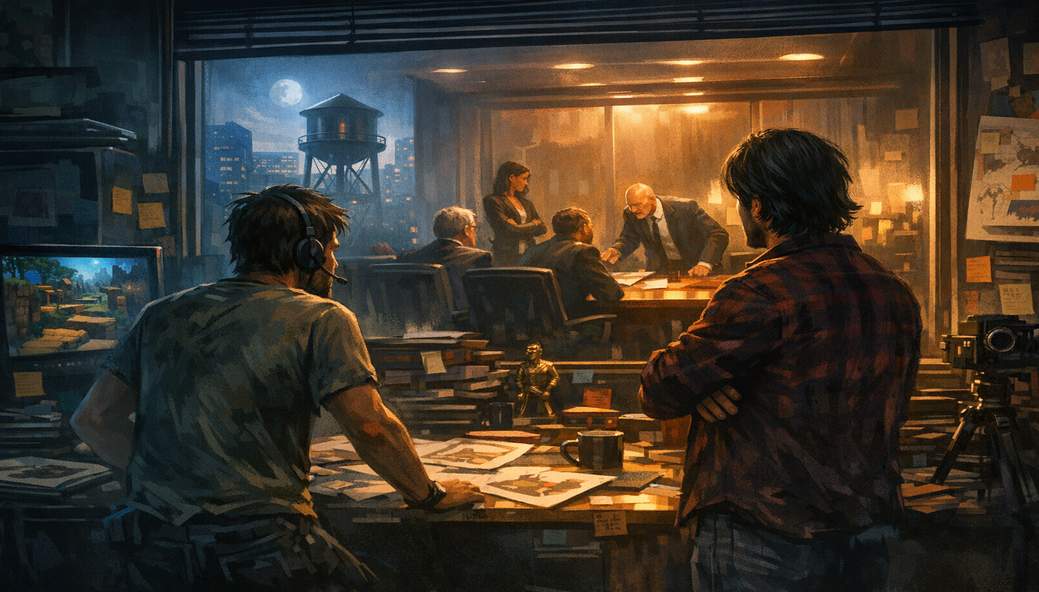
That mismatch showed up in bizarre and tense ways. Rubin recalls a Universal rep walking into the office and hanging a target on the wall with actual bullet holes in it — uncomfortably threatening theater that belonged in a spy movie, not a game studio. The day-to-day was no picnic either: desks shoved into corridors, brutal heat after hours because the building’s air conditioning shut off, and servers that would trip out when temperatures spiked toward 40°C. The team resorted to bringing fans and boxes of ice just so they could keep making Crash Team Racing.
Why this matters to players (and what saved the game)
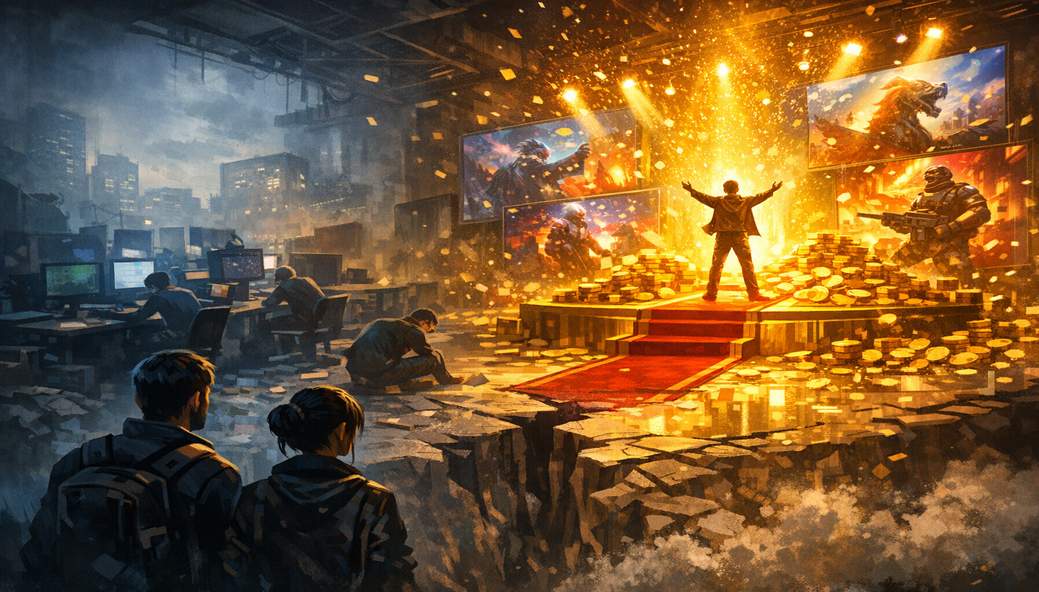
Despite pulling in huge sales — Rubin says the Crash titles generated over $100 million — the deal wasn’t smooth. Universal mainly brought cash and the license; the actual game design and polish came from Naughty Dog. That reality meant the franchise owed a lot to the devs’ grit, not corporate stewardship.
Sony eventually stepped in and helped make Crash Team Racing happen, and Rubin suggests that kind of rescue won’t necessarily repeat. For gamers, that’s a big deal: when publishers and IP holders mismanage things, it can stunt a character’s future. Imagine Crash with a proper theme-park presence or a steady creative home — Rubin thinks that could’ve happened with better stewardship.
The takeaway is simple and pretty important for players: great games often survive because developers hustle through awful situations. Ownership and who sits at the negotiating table shape whether beloved franchises flourish or flounder. Fans got classic Crash games despite the chaos, but the backstory is a reminder that corporate drama can limit how far a series goes — and sometimes, that’s a story worth knowing when you boot up a remaster or wait for the next revival.