The prank that got way more attention than expected
A tiny studio dropped a deliberately overpriced Steam title as a gag — a super-simple, low-effort game priced at $200 (the studio even leaned into the joke in the store blurb). The creator, Michael Major of Stolen Valor Studios, launched it shortly after a $10 counterpart and didn’t expect anything to come of it.
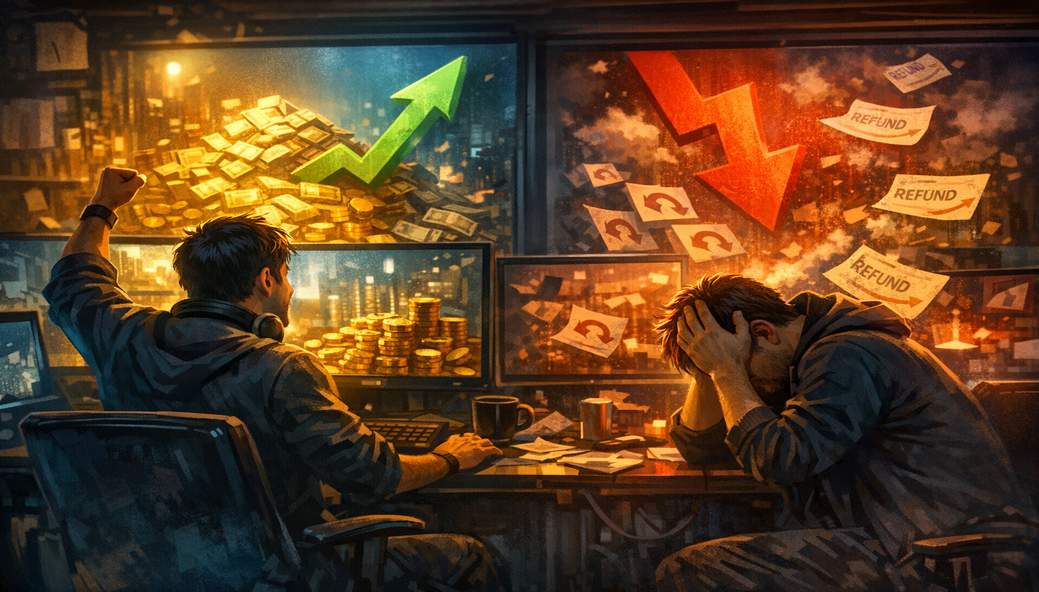
Then the sales numbers ballooned. The game moved 6,717 copies and the gross sales briefly looked like almost $1.4 million. Cue heart-stopping math for the dev — until refunds did their thing.
Almost every buyer asked for money back. According to Major, 6,707 purchases were refunded, and roughly 6,705 of the sales originated from players in China. After Valve’s cuts and the refund avalanche, the prank ended up netting the developer a few thousand dollars rather than a windfall.
Why this matters — refunds, weird behavior, and what gamers should watch
There are a few angles here that actually affect players and small developers. One: pricing stunts can draw attention and boost visibility, even if the game itself is tiny. In this case the odd price tag got people to notice a title they’d probably never have found.
Two: the pattern of immediate refunds is suspicious and worth watching. Major suggested (as speculation) that some high-priced listings might be used for laundering or to game Steam’s systems — but that idea is unconfirmed and should be treated as such. It’s also been floated that people could be buying and refunding to farm whatever benefits Steam hands out for purchases without actually paying the full cost.
Three: for devs, this is a reminder that attention isn’t always a payday. A viral angle can mean a spike in downloads, but refunds and platform fees can wipe out the headline earnings. For players, it’s a quirky story about how odd behavior on storefronts can produce weird results — and why platforms need solid anti-abuse safeguards.
In the end, the gag worked as marketing: the game got talked about. It didn’t make the developer a millionaire, but it did spark conversations about refund abuse, discoverability, and the strange economics of digital stores.