
What this sound‑swapping AI actually does
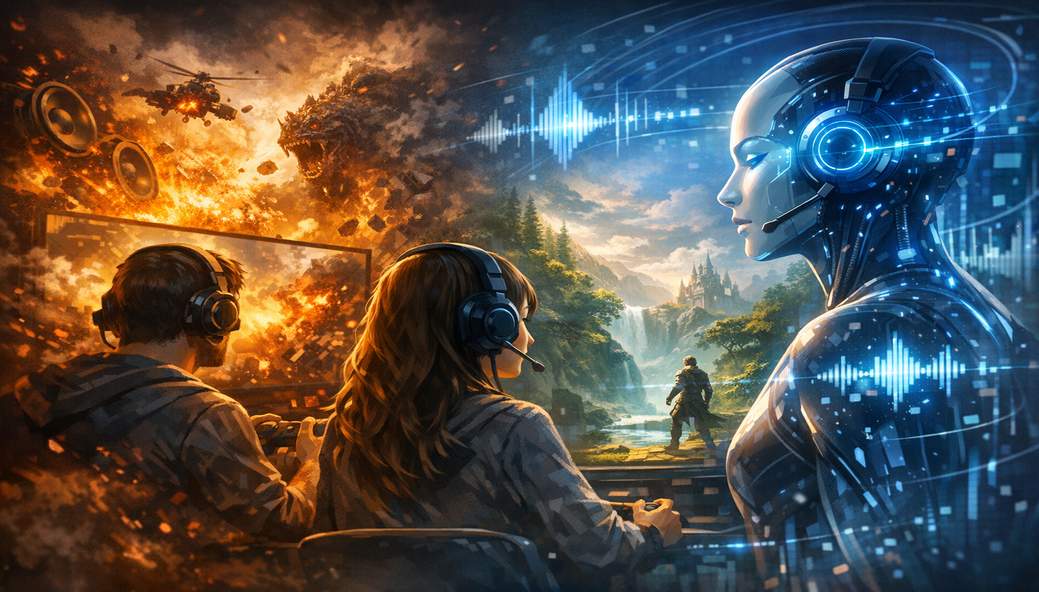
Sony filed a patent in September 2024 that outlines a system where an AI learns which in‑game noises a player dislikes and swaps them out for something more pleasant — or mutes them outright. The application was published on March 26, and, as with any patent, it’s a sketch of an idea, not a finished feature heading to your console next week.
The setup works at the game‑engine level: a server-based AI figures out a player’s audio tastes, tells the engine what to play instead, and then the game swaps the offending sound (a monster’s roar, a rattling ambience, a jump‑scare yelp) with an alternative clip or silence. Importantly, developers would be able to draw lines in the sand — protecting specific sounds so key gameplay cues can’t be removed or messed with.
Why players and devs should care (and the bits still unconfirmed)
On the plus side, this could be a solid accessibility win. Players who find certain noises stressful, startling, or just flat‑out annoying might enjoy much calmer sessions without losing access to the rest of the game. Sony also suggests it could cut down on player fatigue and even save some processing by skipping sounds that a user rejects.
That said, swapping sounds raises questions. Horror and tension rely on audio; changing those cues could dull intended experiences or give competitive players an edge if important cues are hidden. There are also privacy and moderation angles — who stores preference data, and how are group sessions handled when everyone has different tastes?
Also worth noting: patents don’t equal products. This is legal paperwork describing a possible system, not an announcement with release dates. The company also filed another patent for a new rendering method aimed at reducing latency and pop‑ins, and there are ongoing rumors about a next PlayStation generation — including whispers about a portable PS6 — but those reports are unconfirmed.
Bottom line: it’s a clever idea that could make games kinder to fragile eardrums and more inclusive, but it could also mess with immersion and competitive fairness if not handled carefully. Keep an eye on it — but don’t expect your console to start auto‑editing jump‑scares tomorrow.


