The three-hour shuffle: how the road test worked
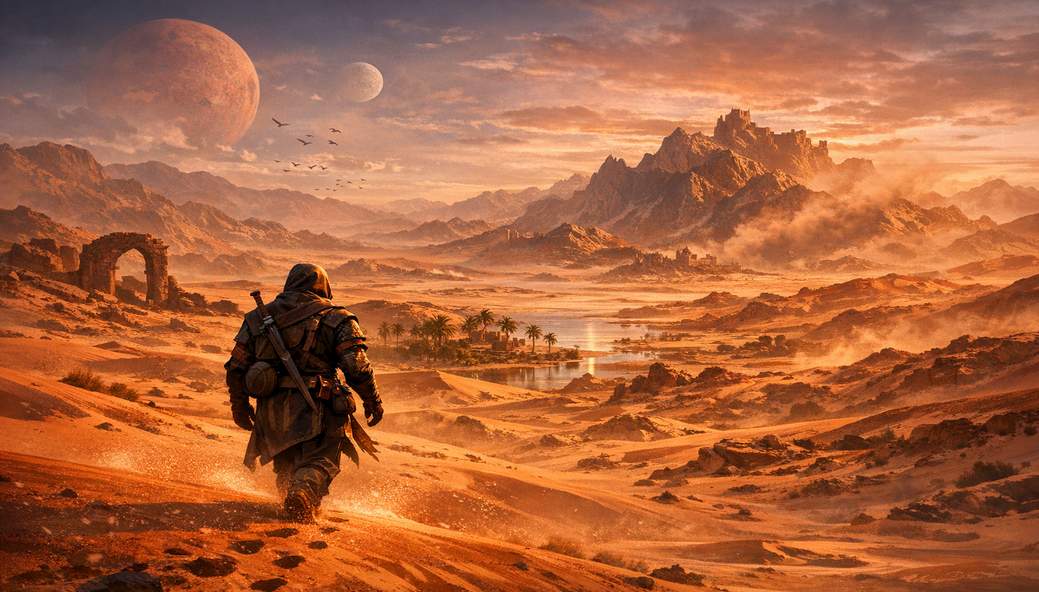
One determined player decided to measure just how huge Crimson Desert really is by walking from the far southwest corner of the map to the far northeast — and timing every step. They set strict rules: no sprinting, no mounts, just a normal walking pace the whole way. To avoid random combat wasting time, they used a single cheat that lets enemies die in one hit so fights don’t derail the stopwatch.
Result? A continuous stroll that lasted 2 hours and 54 minutes. Using the creator’s estimate that one in-game step roughly matches a human stride, that trek comes out to about 15 kilometers and somewhere in the neighborhood of 17,000–19,000 steps. That number should be taken as an approximation — it’s based on a few assumptions about step length and the one-hit enemy concession — but it still gives a solid sense of scale.
Why this matters: gameplay, worldbuilding, and what players will care about
Beyond the novelty of a nearly three-hour walk, the experiment highlights something important for players: Crimson Desert is genuinely sprawling. That size affects how you play — whether you’ll rely on mounts and fast travel, how often you’ll run into interesting sights, and how the pacing of exploration feels when you’re not warping across the map.
For developers, this kind of player test is a nod to the worldbuilding work: a map that takes hours to cross by foot tends to feel weighty and lived-in, but it also needs systems to respect players’ time. Fans have reacted with a mix of awe and amusement — many are impressed by the scale, others glad they won’t actually need to hoof it everywhere because the game gives you tools to move faster.
Bottom line: the walk is a neat demonstration of Crimson Desert’s ambition and scope. If you enjoy big, detailed open worlds, this is the sort of thing that should make you excited; if you hate long treks, welcome to the era of mounts, fast travel, and patience-testing scenic routes.