Vávra takes a swing (with a side of sarcasm)
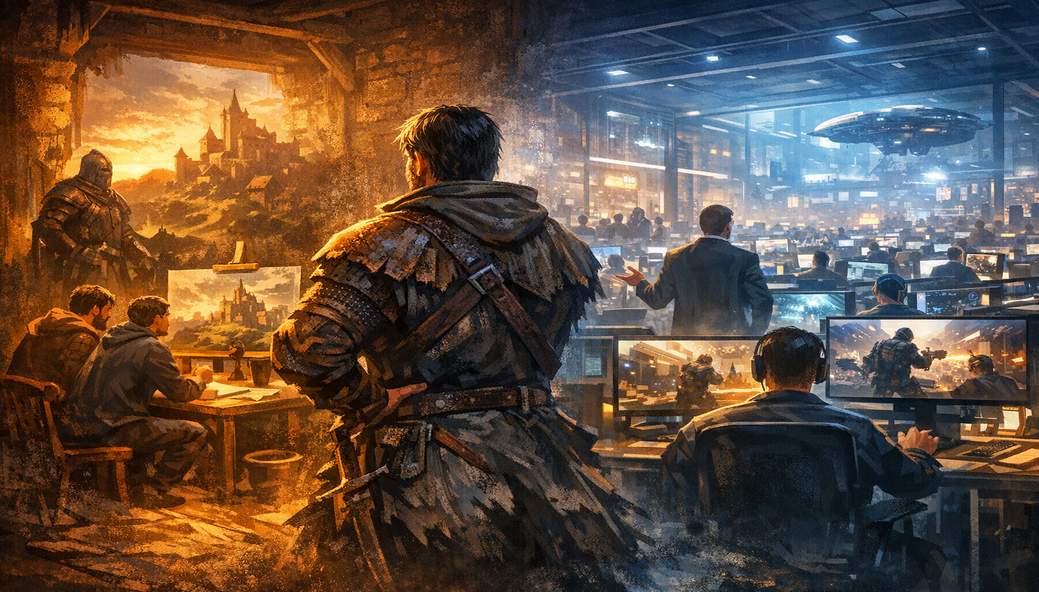
Daniel Vávra, co‑founder of Warhorse Studios, tossed a spicy comment onto X after Ubisoft’s recent shakeup — and naturally it came with a wink. With Ubisoft trimming headcount and announcing a massive fiscal loss, Vávra pointed out that the publisher still lists about 16,600 employees. His punchline: that’s roughly the equivalent of 70 studios the size of Warhorse, which he reckons could churn out ten AAA games on the scale of Kingdom Come: Deliverance 2 if they pooled resources differently.
He framed it in brutally simple terms — imagine ten KCD2‑level projects, each quietly simmered for seven years, then one released every year — and finished with a cheeky “should I buy the dip?” line aimed at Ubisoft stock. It’s vintage Vávra: blunt, a little provocative, and impossible to ignore.
Why this matters to players
Beyond the tweet fodder, there’s a real debate hiding under the jokes. Ubisoft’s woes — big layoffs, a €1.3 billion loss this fiscal year, and several canceled projects — show the downside of sprawling, global operations. A mega‑publisher juggling dozens of teams around the world has coordination costs and strategic risk that a compact studio like Warhorse doesn’t.
For gamers, the tradeoffs are obvious: more hands on deck can mean more projects and faster output, but it can also lead to sloppy management, cancellations, and uneven quality. Vávra’s point is basically: what if instead of scattering talent across dozens of things, you focused on fewer, long‑baked masterpieces?
Reaction in the community has been mixed. Some players cheered the comparison and criticized bloated corporate structures; others reminded people that Vávra himself is a polarizing figure and recently announced he’s stepping away from making games to focus on a Kingdom Come movie — so take his hot takes with a pinch of salt.
Whether you agree with his math or not, the whole exchange spotlights a bigger question for the industry: is the modern AAA factory model sustainable, or are we better off with smaller teams doing fewer but deeper experiences? For anyone who cares about how their favorite games are developed and whether projects survive the chopping block, this conversation is worth watching.