A different route to fame (and why Dark Souls isn’t just about pain)
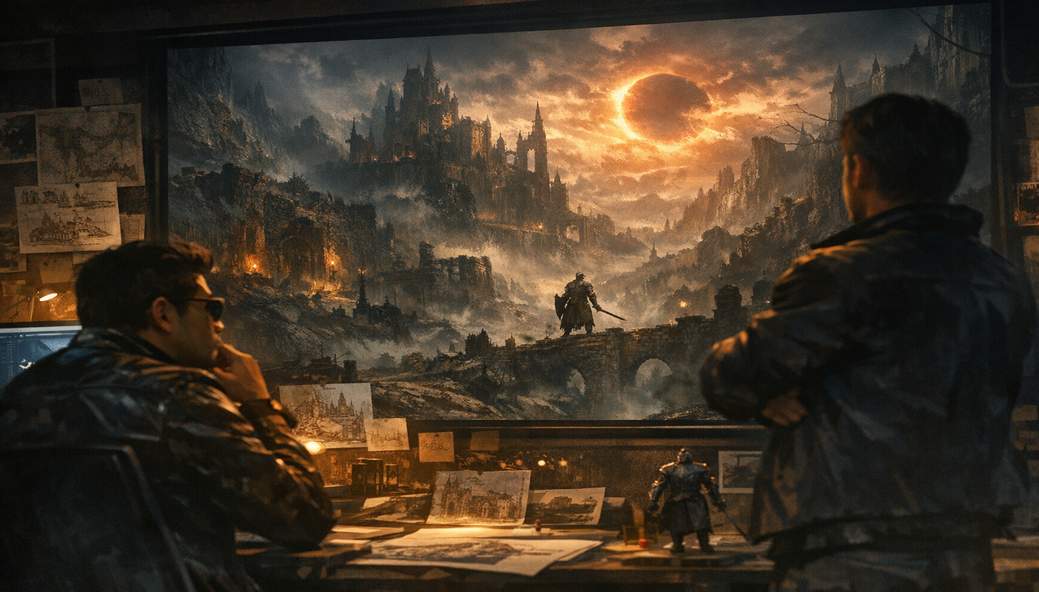
Katsuhiro Harada — the Tekken mastermind who recently jumped ship from Bandai Namco to SNK — just dropped a warm, nerdy appreciation post about Hidetaka Miyazaki. Harada’s angle isn’t the usual “git gud” take. He argues that Dark Souls didn’t blow up because it’s brutally hard; it caught fire because of the way its setting, mood, and design pull you in.
Harada points out that Miyazaki didn’t follow the typical game-dev ladder. He got into the industry late compared to most, and he didn’t start at a huge studio with heaps of resources. That makes his rise to the top feel less like luck and more like stubborn craftsmanship — all the tiny lessons from earlier projects added up into something special.
The quiet, obsessive creator behind the magic
Harada shares a great little anecdote that nails Miyazaki’s vibe: when Miyazaki tried an early VR demo of a game that everyone else treated like a party trick, he sat stone-faced and started mentally sketching how he’d actually make a game out of it. Not gawking or tweeting selfies — full-on designer mode. Harada calls it a kind of “mad scientist” focus, in the best possible way.
That seriousness ties into why Miyazaki keeps a low profile. He’s reportedly uncomfortable on camera and tends to downplay his own knowledge when he hears other devs talk — which makes him more inclined to listen than to headline panels. Harada wryly notes that when someone as accomplished as Miyazaki says they’re still learning, it can paradoxically make the rest of us feel like impostors.
Why this matters to players: Harada’s comments remind us that great games aren’t just about punishing fights or flashy mechanics. They’re about worlds that make you want to explore, feel, and imagine — and that often comes from a creator who obsesses quietly and learns from every project. For fans of Dark Souls, Elden Ring, or any atmospheric RPG, it’s a neat peek behind the curtain at how those eerie, unforgettable places are born.